Are you Looking For
X-Ray Casting Inspection?
At Bridge Aluminium, quality control is embedded into every stage of our casting process, from initial design through to final delivery. Producing aluminium castings for demanding applications requires more than surface-level checks, which is why non-destructive testing plays an essential role in our quality assurance framework. One of the most effective methods we use to verify internal integrity is x-ray casting inspection, allowing us to assess critical internal features without altering or damaging the component itself. During the casting process, aluminium flows, cools and solidifies under carefully controlled conditions. Even with proven tooling and robust process controls, internal characteristics such as porosity, shrinkage or inclusions can occur.
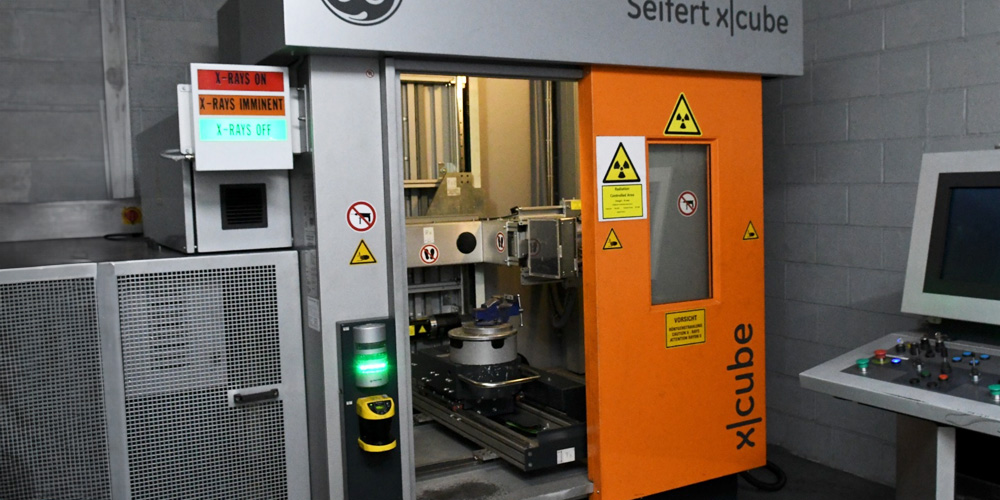
These features may not be visible externally but can influence performance, fatigue resistance or long-term durability depending on the application. Internal inspection techniques provide valuable insight into what cannot be seen from the surface, ensuring castings meet both customer expectations and functional requirements. X-ray casting inspection uses controlled radiation to pass through the casting and generate an image that highlights variations in material density. Areas of inconsistency appear clearly, enabling internal features to be identified and assessed in detail. This approach allows us to evaluate the internal structure of complex geometries, thick sections and safety-critical areas without the need for destructive testing. As a result, castings can move forward confidently to machining, assembly or final use.
What is X-ray casting inspection? ▼
Why is X-ray inspection important for aluminium castings? ▼
What types of defects can be detected? ▼
Does Bridge Aluminium Foundries provide digital X-ray services? ▼
Is X-ray inspection performed on every casting? ▼
Are your X-ray technicians certified? ▼
Can I receive an inspection report with my order? ▼
Finding The Right Service for You
IMPORTANT FACTORS
At Bridge Aluminium, this inspection capability forms part of a wider commitment to delivering consistent, reliable components. Radiographic evaluation supports informed decision-making throughout production, helping to confirm that castings align with agreed quality standards before further value is added. This reduces the risk of late-stage issues, minimises waste and supports efficient production planning across both prototype and series work. The benefits of x-ray casting inspection extend beyond defect detection alone. By analysing internal features, our engineering teams gain valuable feedback on tooling design, gating systems and solidification behaviour.
This information helps refine casting parameters and supports continuous improvement, contributing to greater process stability over time. In this way, inspection data becomes a tool for learning as well as verification. Customers benefit directly from this approach through improved confidence in component integrity and performance. Internal inspection helps ensure castings are suitable for demanding environments where reliability is critical, such as automotive, industrial, energy and infrastructure applications. Early identification of potential internal issues reduces the likelihood of downstream failures, rework or unexpected delays later in the supply chain. Skilled interpretation is a vital part of the inspection process. Radiographic images require experience and technical understanding to assess accurately, particularly when distinguishing between acceptable material characteristics and features that may affect function. Our team combines practical foundry knowledge with inspection expertise, allowing results to be evaluated in the context of real-world performance rather than in isolation.
Why Choose us for X-Ray Casting Inspection?
X-ray casting inspection also supports traceability and quality documentation, which are increasingly important across regulated and safety-focused industries. Recorded inspection results provide clear evidence of internal quality, helping customers meet their own compliance obligations and internal quality standards. This transparency strengthens long-term partnerships and supports trust at every stage of a project. By integrating internal inspection into our manufacturing process, Bridge Aluminium reinforces its focus on reliability, consistency and technical excellence.
Rather than relying on a single quality checkpoint, we apply inspection methods where they deliver genuine value, aligned with the design intent and application of each casting. This balanced approach ensures quality assurance remains practical, effective and proportionate. Through experience, investment and attention to detail, Bridge Aluminium continues to deliver aluminium castings supported by robust inspection practices. X-ray casting inspection plays a key role in helping us supply components that perform as intended, supporting our customers with dependable solutions built on engineering knowledge, proven processes and a clear commitment to quality.
CASE STUDY
The implementation of Non-Destructive Testing (NDT) at Bridge Aluminium Foundries has fundamentally transformed the quality assurance landscape for high-precision engineering firms throughout the UK and beyond. One notable collaboration involved a tier-one automotive supplier based within the region that was struggling with high rejection rates during the final machining stages of a complex engine housing component. This regional partner required a solution that could guarantee internal structural integrity without compromising the physical state of the castings, as traditional destructive sampling was proving both costly and statistically insufficient for their high-volume production needs. By integrating the comprehensive NDT suite offered by Bridge Aluminium, the client moved from a reactive quality model to a proactive, data-driven methodology that safeguarded their reputation and bottom line.
The process began with a deep technical evaluation of the casting geometry and the specific stresses the engine housing would endure during its operational lifecycle. Bridge Aluminium’s expert technicians identified that while the surface finish appeared flawless, the cooling rates inherent in the complex mold design were creating potential zones of internal shrinkage. To address this, the foundry deployed its advanced X-ray inspection capabilities, which allowed the Midlands-based engineers to visualize the internal grain structure and identify microscopic porosity that had previously gone undetected. This visual evidence was crucial for the client, as it provided a clear roadmap for adjusting their own thermal management protocols during the pouring phase, eventually leading to a more consistent and robust final product.
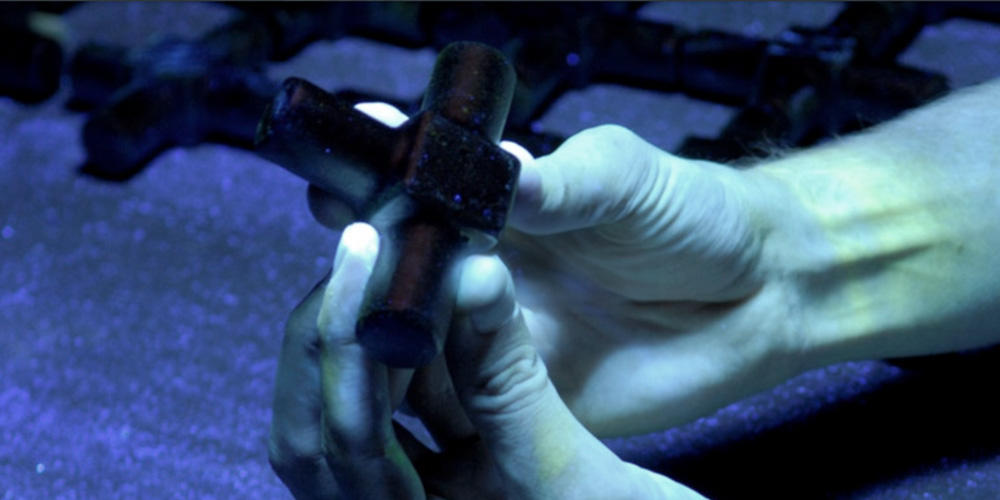
Beyond radiographic imaging, the case study highlights the critical role of Dye Penetrant Inspection in identifying surface-breaking defects that are often invisible to the naked eye. For this manufacturer, even the smallest hairline crack could lead to catastrophic fluid leakage under high pressure. Bridge Aluminium established a rigorous testing flow where every critical component underwent a multi-stage penetrant process. This included the application of high-contrast fluorescent dyes and developers under controlled lighting conditions, ensuring that any surface discontinuities were highlighted with absolute clarity. This level of scrutiny provided the client’s assembly team with the total confidence required to proceed with expensive precision machining, knowing that the base material was free from any inherent flaws.
Furthermore, the integration of pressure testing as a final NDT hurdle ensured that the castings met the stringent leak-tight requirements of the automotive sector. By simulating real-world operational pressures within the foundry’s controlled environment, Bridge Aluminium was able to certify each batch for immediate use. This comprehensive approach to NDT did more than just find faults; it served as a vital feedback loop for the entire manufacturing process. The regional supplier reported a significant decrease in waste and a streamlined path to market, as the need for secondary inspections was eliminated. The collaboration stands as a testament to how local Midlands expertise in Non-Destructive Testing can elevate the manufacturing standards of the entire UK engineering supply chain, ensuring that every component leaving the foundry floor is as reliable as it is precise.
Service Coverage
Enter your Postcode (UK) or Zip Code (USA) to check availability.
“The level of detail in the X-ray inspection reports provided by Bridge is unparalleled. For our safety-critical automotive parts, having this level of NDT certainty is non-negotiable. A fantastic Midlands partner.”
“We’ve been using their Dye Penetrant services for over a year. Their certified technicians are thorough and consistently find surface defects that other foundries simply miss. Truly expert service.”
“Bridge Aluminium helped us solve a long-standing porosity issue through their digital radiography feedback loop. They didn’t just find the fault; they helped us fix the casting process.”
“Excellent turnaround on pressure testing. We needed a batch certified for export to the US on a tight deadline, and the Bridge team delivered with full NDT documentation ahead of schedule.”
Trusted by Leading Brands