
Are you Looking For Aluminium Casting Finishing?
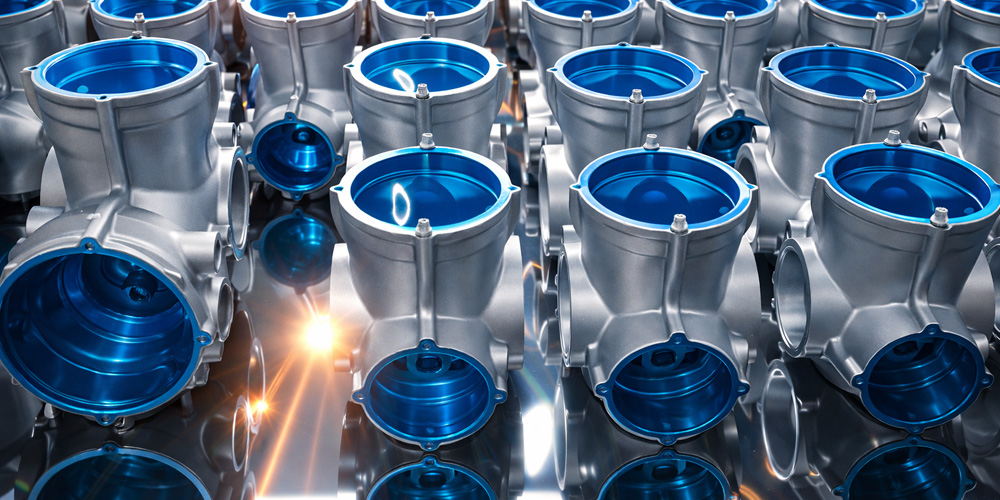
Aluminium Casting Finishing plays a crucial role in how a component looks, performs and lasts throughout its working life. Beyond the casting process itself, careful finishing ensures aluminium components meet both functional and visual expectations, supporting applications where appearance, protection and consistency all matter. Through controlled finishing processes, castings can achieve refined surfaces, improved resistance to wear and an overall quality that reflects the standards of a trusted manufacturer. Aesthetics are often one of the first considerations for finished aluminium components. Clean surfaces, uniform textures and consistent finishes help components integrate seamlessly into assemblies or visible end products.
The process allows castings to move beyond a raw industrial appearance, providing a refined look that aligns with customer requirements and brand expectations. Attention to detail at this stage helps ensure components not only perform well but also present professionally in their final environment. Durability is equally important and closely linked to the finishing stage. Finishing processes can help protect aluminium castings from environmental factors such as corrosion, abrasion and general wear over time. By improving surface integrity and applying suitable protective treatments, Aluminium Casting Finishing supports longer component lifespans and more reliable performance in demanding conditions. This focus on durability helps customers reduce maintenance requirements and improve the long term value of their components.
Finding The Right Service for You
CASE STUDY
A leading UK-based engineering manufacturer approached Bridge Aluminium Foundries with a requirement for high-quality aluminium casting finishing to support a new production programme. The components were already complex in design, having been cast using a combination of gravity die and sand casting processes, but the final surface finish and performance characteristics needed to meet strict operational and visual standards. The parts would be used within a demanding industrial environment, where durability, corrosion resistance, and consistency were essential across repeated production runs.
At the outset, the client had been experiencing challenges with their previous supplier. Inconsistent surface finishes, visible imperfections, and variability between batches were causing delays in assembly and increasing rejection rates. There was also a lack of control over the finishing process, which meant the final components did not always meet the required aesthetic or functional expectations. Bridge Aluminium was engaged to provide a more controlled, end-to-end solution, combining technical expertise with a structured finishing approach. The project began with a detailed review of the existing castings and their intended application. Our team worked closely with the client’s engineering department to understand how each component would be used, the environmental conditions it would face, and the level of surface finish required. Early collaboration was critical, as finishing processes directly influence durability, corrosion resistance, and overall performance. Based on this, we developed a tailored finishing specification that balanced appearance with long-term functionality.
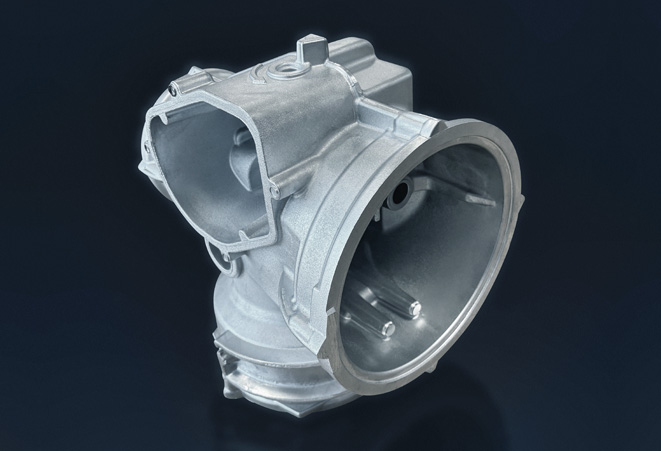
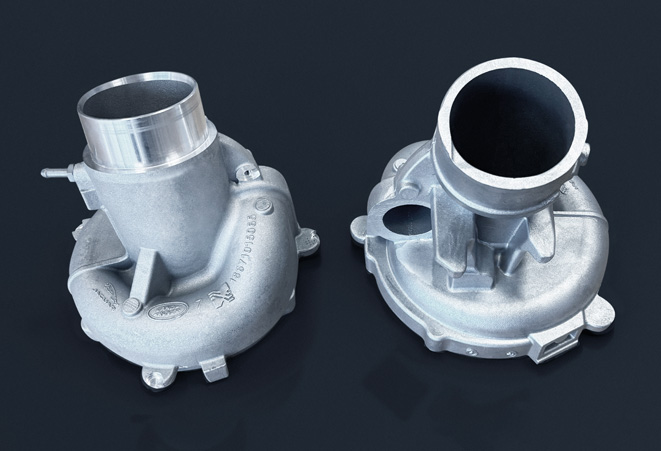
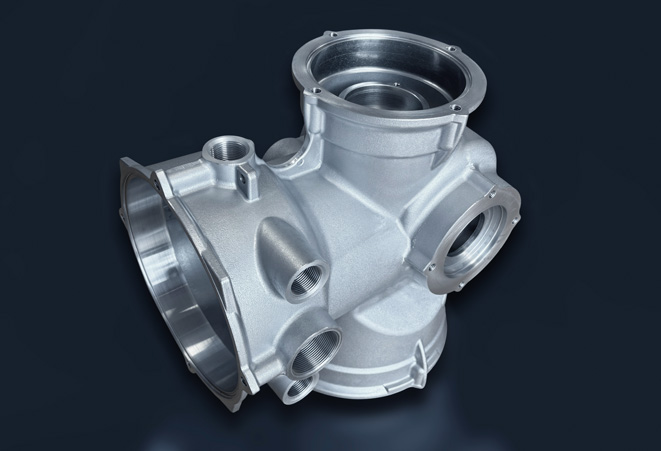
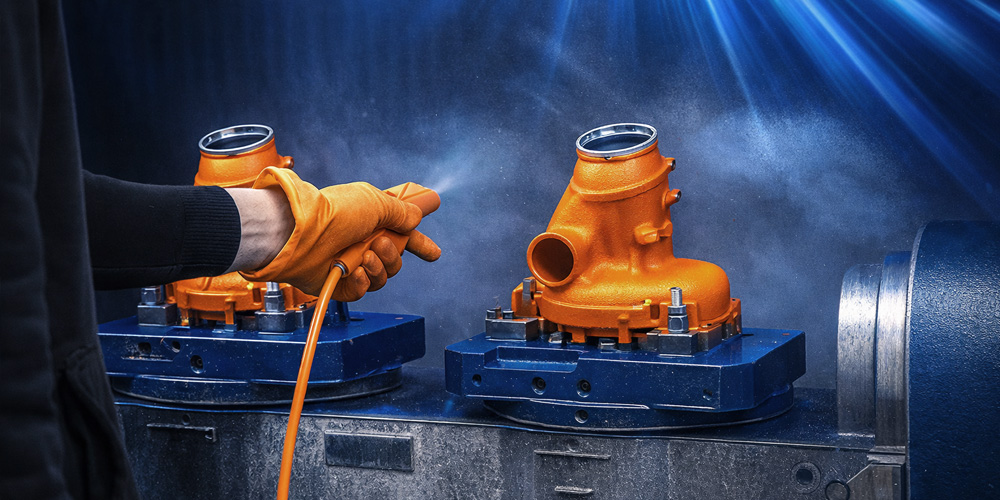
The initial stage focused on preparation. Each casting underwent a controlled deburring and cleaning process to remove excess material, sharp edges, and surface contaminants. This stage is essential in ensuring that subsequent finishing processes can be applied evenly and effectively. Without proper preparation, surface treatments can fail to bond correctly or produce inconsistent results. By standardising this stage, we were able to create a consistent foundation for all further finishing work. Following preparation, the components were subjected to a series of finishing treatments designed to enhance both their performance and visual quality. Depending on the specific requirements of each part, this included surface smoothing, protective coatings, and precision finishing techniques to achieve the desired tolerance and appearance. Finishing processes not only improve aesthetics but also significantly enhance properties such as corrosion resistance and durability, which are critical in industrial applications. A key aspect of the project was maintaining consistency across high-volume production. Bridge Aluminium’s multi-site capability allowed us to implement repeatable processes supported by skilled technicians and controlled workflows. This ensured that each batch of components met the same high standards, reducing variation and improving overall reliability. Our integrated approach, combining casting, machining, and finishing, also reduced lead times and simplified the client’s supply chain.
Throughout the production phase, ongoing quality checks were carried out to ensure that all components met the required specifications. Dimensional accuracy, surface quality, and coating performance were all closely monitored. Any minor adjustments required were addressed immediately, preventing issues from escalating further down the production line. This proactive quality control approach played a key role in delivering consistent results and maintaining production efficiency. The results of the project were significant. The client saw a noticeable improvement in surface quality, with components achieving a clean, uniform finish that met both functional and visual requirements. Rejection rates were reduced substantially, and assembly processes became more efficient due to the improved consistency of the finished parts. The enhanced corrosion resistance also contributed to longer component life, reducing the need for replacement and ongoing maintenance.
Beyond the immediate improvements, the partnership established a more reliable long-term manufacturing solution. By working closely with Bridge Aluminium, the client gained greater confidence in their supply chain and the quality of their components. The ability to scale production while maintaining consistent finishing standards provided a strong foundation for future growth and development. This case study highlights the importance of a structured and technically informed approach to aluminium casting finishing. By combining detailed preparation, carefully selected finishing processes, and consistent quality control, Bridge Aluminium was able to transform a previously inconsistent supply into a dependable, high-quality solution. The project demonstrates how finishing is not simply a final step, but a critical part of the overall manufacturing process that directly impacts performance, durability, and long-term success.
A STRONG UNDERSTANDING
Experience underpins every aspect of our finishing capability. Years of working with aluminium castings across a wide range of sectors has built a strong understanding of how different alloys, geometries and applications respond to various finishing methods. That experience allows informed decisions to be made at every stage, ensuring finishing is aligned with both technical requirements and end use conditions. Practical knowledge, combined with skilled teams, supports consistent results across repeat and bespoke projects alike. Our three foundry locations are ideally positioned to support customers across the United Kingdom.
With facilities in Kettering, Worcester and Wednesbury, we are well placed to provide efficient logistics, responsive communication and reliable turnaround times. These locations enable close collaboration with customers while maintaining consistent standards across all sites, ensuring Aluminium Casting Finishing is delivered with the same level of care regardless of production location. Sustainability is an increasingly important consideration within finishing processes. Aluminium Casting Finishing can be approached in a way that minimises waste, optimises material usage and supports responsible manufacturing practices. Aluminium itself is highly recyclable, and finishing processes are carefully managed to reduce environmental impact while maintaining quality and performance standards. By continually reviewing processes and investing in efficient systems, finishing operations can align with broader sustainability goals without compromising outcomes.
Why Choose us for Aluminium Casting Finishing?
Consistency across batches is another key benefit of well managed finishing processes. Aluminium Casting Finishing helps ensure that components produced over time maintain the same appearance, surface quality and protective properties. This consistency is particularly valuable for customers requiring repeat production or long term supply, where uniformity is essential for assembly, performance and visual standards. Customer expectations are central to how finishing processes are applied. Each project brings its own requirements around appearance, durability and application environment. Aluminium Casting Finishing is therefore approached with flexibility, allowing processes to be adapted while maintaining reliable standards.
Clear communication and experienced oversight help ensure the finished result aligns with what customers need rather than relying on a one size fits all approach. By combining aesthetic consideration, durability, experience, well located facilities and a focus on sustainability, Aluminium Casting Finishing forms an integral part of delivering high quality aluminium components. Care taken at this stage supports performance, enhances appearance and contributes to reliable, long lasting outcomes that customers can depend on.
Your Questions
What is aluminium casting finishing?
Aluminium casting finishing is the process of refining and improving cast components after production. It involves preparing surfaces, removing imperfections, and applying treatments that enhance durability, performance, and appearance.
Why is finishing important for aluminium castings?
Finishing is a critical stage in the manufacturing process, not an afterthought. It ensures components meet the required standards for strength, reliability, and visual quality, helping them perform consistently in demanding environments.
What processes are involved in aluminium casting finishing?
Finishing typically includes stages such as deburring, cleaning, surface preparation, and the application of protective or aesthetic treatments. Each step is carefully controlled to achieve a consistent and high-quality result across all components.
How does finishing improve the performance of aluminium castings?
Finishing enhances properties such as corrosion resistance, durability, and surface integrity. By refining the casting, it helps components withstand harsh conditions and maintain their performance over time.
Can finishing improve the appearance of aluminium castings?
Yes, finishing plays a key role in achieving a clean, smooth, and visually consistent surface. It ensures components meet both functional and aesthetic expectations, which is particularly important for visible or high-specification applications.
Is consistency important in aluminium casting finishing?
Consistency is essential, especially for production runs. A controlled finishing process ensures that each component meets the same high standards, reducing variation and improving reliability across batches.
Can aluminium casting finishing be tailored to specific requirements?
Yes, finishing processes can be adapted depending on the application, environment, and performance requirements of the component. This allows manufacturers to achieve the right balance between durability, appearance, and functionality.
Trusted by Leading Brands